Easy base
Aerobic base training plan
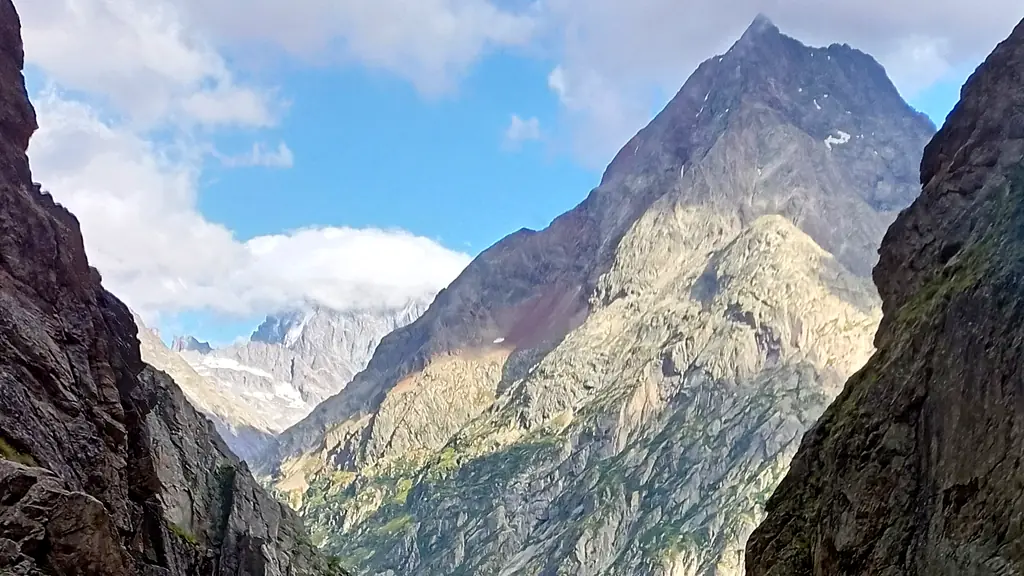
No race on the calendar, on purpose. Easy time on feet at a pace you can talk through, growing slowly from the week you have now, however cautious. That steady base is most of what a day like this asks for: hours on foot up a rocky alpine valley, at a pace you could hold all day.
Included in €19/month. 14 days free, no card.
- Full build
- 16 weeks
- Easy weeks
- 12 weeks
- Closer to the date
- 3 weeks
- Last weeks
- 1 week
What a week actually looks like
A week from the same engine that writes the real plan — including the minutes, not a template.
Easy weeks
- MonLow heart-rate · 45 min
- TueRest
- WedStrength · 40 min
- ThuUphill walk/jog · 45 min
- FriRest
- SatLong easy · 60 min
- SunRest
Closer to the date
- MonLow heart-rate · 60 min
- TueRest
- WedStrength · 60 min
- ThuUphill walk/jog · 60 min
- FriRest
- SatLong easy · 60 min
- SunRest
This sample uses a typical setup for this objective. Your days, hours and terrain change the week. Wrecked, missed or travel rewrites it.
If you can only do one thing well, do this. Aerobic base is slow to accumulate and quick to reveal itself: it is why one runner fades at hour three and another does not, and it cannot be bought back with a hard month before a race. Starting from a smaller weekly volume is fine — the plan grows from the hours you actually have, not from a template that assumes you already run five days.
The rule here is uncomfortable in its simplicity. If you cannot finish a sentence, you are going too fast. That applies to almost every session in this block, and the talk test works without any device.
There is no separate quality session, because in this block the easy work is the quality. Adding intervals to a base block is how people convert a productive sixteen weeks into a tired eight. The long run grows toward ninety minutes and stays conversational the whole way.
This plan also suits the months when nothing is scheduled: winter, the off-season, or the year after an injury when you are rebuilding honestly rather than chasing what you used to do.
How the block is shaped
These are the suggested lengths. A shorter window cuts base first and keeps the specific block and the taper, and the plan tells you when the window you chose is thinner than the objective wants.
Easy weeks · 12 weeks
Twelve weeks of easy running and one long, all at talking pace. Fat becomes the default fuel for ordinary sessions.
Closer to the date · 3 weeks
Three weeks that add a hike or longer aerobic day — still conversational, just more of it.
Last weeks · 1 week
One quiet week to consolidate before you point this block at a race or a mountain day.
Strength in this plan
One strength day a week while the plan builds. Use the column you have the kit for — the home version needs a step, a chair and a backpack.
At home
2–3 rounds, a minute's rest between
- Split squat10 each leg
- Single-leg Romanian deadlift8 each leg
- Single-leg glute bridge10 each leg
- Single-leg calf raise12 each leg
- Side plank30 s each side
In a gym
2–3 sets of each, 2 min rest on the heavy lifts
- Goblet squat8
- Romanian deadlift8
- Dumbbell Bulgarian split squat8 each leg
- Weighted single-leg calf raise10 each leg
- Farmer's carry40 s
Built for
- Heavier runners who want volume to grow slowly at a pace they can talk through
- Runners with no race booked who want the months to count
- Anyone returning after time off and rebuilding from a low base
- People preparing for a big objective next season and doing it in the right order
Not for
- Anyone with a race in under twelve weeks — use the plan for that distance instead
- Runners looking for speed work; this block deliberately has none
Ridgework writes the training weeks. It does not replace medical advice: pain, illness or an injury is a doctor's or a physio's call, and the plan only changes the week around it.
Why a plan that adapts
A printed plan assumes every week goes as written. When one does not, you skip and fall behind, or cram the missed work back in and arrive tired. Ridgework rewrites the next days from what you logged, keeps your date, and says what changed and why.
Kit this assumes
- Shoes you can spend hours in
- Optionally a heart-rate monitor, though the talk test is enough
Questions
What is aerobic base training?
Sustained easy running at an intensity where fat covers most of the fuel demand and conversation stays possible. It builds the cardiovascular and muscular foundation that harder work later sits on top of.
How slow should easy running be?
Slow enough for full sentences. If talking breaks, walk until it comes back — walking counts.
How long before I see results?
Aerobic adaptation is measured in months, not weeks. Sixteen weeks is a meaningful block. Anyone promising a transformed engine in four is selling something.
Can I do this without a race goal?
That is exactly what it is for. You still pick an end date so the weeks have a shape, but there is nothing to peak for except being fitter than when you started.
Start this plan
No card needed. You set the date, answer a short setup. Your week appears. The next two are written ahead.
14 days free, no card. On day 15 your plan pauses unless you add a card: €19/month, cancel anytime.
Ridgework writes training weeks for trail and mountain. It is not a medical device, not healthcare, and not a substitute for a clinician, a guide, or rescue. Research citations inform the week structure; they are not prescriptions. You remain responsible for safety in the mountains and in training.